Iron, simply
Why it matters before and after birth, and the easy, everyday ways to get a little more.
5 minute read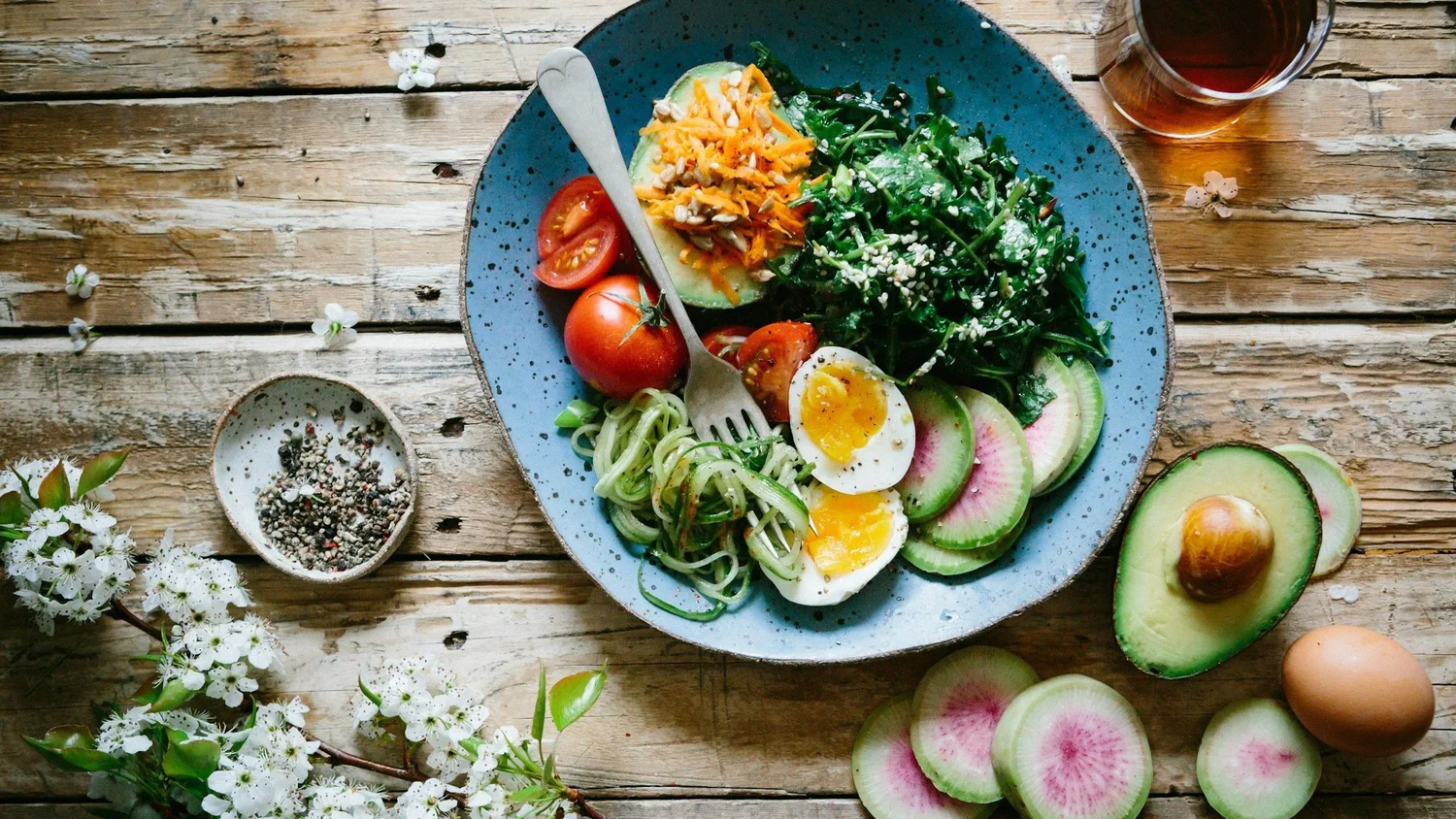
The short version
- Iron supports the extra blood volume of pregnancy and helps replace what is lost at birth.
- Low iron is common and can leave you exhausted, breathless and foggy.
- Everyday foods, animal and plant, can top you up. Pairing plant iron with vitamin C boosts absorption.
- Tea and coffee with meals can reduce absorption, so it is worth a little timing.
Why iron earns its place
Pregnancy roughly increases your blood volume, and iron is central to carrying oxygen around your body and your baby's. After birth, iron helps replace what was lost during delivery. When it runs low, the result is often deep tiredness, breathlessness on stairs, pallor and difficulty concentrating, symptoms easy to mistake for simply being a new parent.
Iron deficiency anaemia is common in and after pregnancy, which is why it is worth knowing how to support your levels through food.
Where to find it
- Animal sources, well absorbed: red meat, poultry, fish, eggs
- Plant sources: lentils, beans, chickpeas, tofu, dark leafy greens, fortified cereals, dried apricots
- Useful extras: pumpkin seeds, wholemeal bread, a little dark chocolate
You do not need a special diet. A few iron-rich choices woven through your normal meals add up.
The vitamin C trick
Iron from plant foods is absorbed less easily than from meat, but vitamin C dramatically improves uptake. Pairing the two is the simplest win there is.
- Lentil dahl with a squeeze of lemon
- Spinach with tomatoes or peppers
- Fortified cereal with a glass of orange juice
- Hummus with red pepper strips
Plant iron plus a little vitamin C is one of the easiest upgrades you can make.
A small timing habit
Tea and coffee contain compounds that reduce iron absorption when drunk with meals. Leaving an hour either side of an iron-rich meal before your cup helps. If you have been advised to take an iron supplement, take it as directed and never start one without checking with your midwife or GP first.
Iron, answered
Why is iron important in pregnancy?
It supports the large increase in blood volume and carries oxygen to you and your baby. After birth it helps replace iron lost during delivery. Low iron causes tiredness, breathlessness and poor concentration.
What foods are high in iron?
Red meat, poultry, fish and eggs are well absorbed. Plant sources include lentils, beans, tofu, dark leafy greens, fortified cereals and dried apricots.
How can I absorb more iron from plant foods?
Pair them with vitamin C, such as lemon on lentils, peppers with hummus, or orange juice with fortified cereal. Vitamin C markedly improves absorption of plant iron.
Does tea affect iron absorption?
Yes. Tea and coffee can reduce iron absorption when taken with meals. Leaving an hour either side of an iron-rich meal helps.
Should I take an iron supplement?
Only if advised. Ask your midwife or GP to check your levels if you feel persistently exhausted, breathless or dizzy, rather than starting a supplement yourself.
This is general information, not personalised nutritional or medical advice. For tailored guidance, speak to your midwife, GP or a registered nutritional therapist, particularly if you have a medical condition or dietary restriction. Do not start iron supplements without advice. Ask your midwife or GP if you feel persistently exhausted, breathless or dizzy, as you may need your levels checked.