


Breastfeeding and Nutrition: What Your Body Needs More Of — and Why
Breastfeeding is one of the most nutritionally demanding things a human body can do. You are producing a complete food — one that changes composition feed by feed, day by day — while also recovering from pregnancy and birth. And yet the nutritional guidance most new mothers receive is vague, outdated, or focused on what to avoid rather than what to actively nourish.

From Chocolate Cravings to Cramping: What Pregnancy Symptoms Really Mean Biologically
Pregnancy comes with a spectrum of sensations that can feel unfamiliar, unpredictable or even worrying. At Bubba & Me, our antenatal clinics in Sevenoaks and Tunbridge Wells help parents understand the real biology behind these symptoms — from cravings and fatigue to cramping and breathlessness. With science-led education and holistic support, you can feel informed, reassured and connected to your body as it prepares for birth.

Postpartum Hair Loss in Tunbridge Wells and Sevenoaks: Causes, Nutrition and Natural Support
Milk supply isn’t just “supply and demand.” Discover how prolactin, oxytocin and the breast’s own feedback system work together — plus how personalised breastfeeding support in Tunbridge Wells and Sevenoaks can help you feel confident and informed.

How Your Home Food Environment Can Gently Support Family Wellbeing
Family life unfolds in a series of small, everyday moments — preparing breakfast while little ones wake, unpacking a shopping bag, reaching for a mid-afternoon snack, gathering around the table at the end of a long day. These repeated rituals shape the rhythm of a home more than we often realise. And quietly sitting behind them is the environment that surrounds your food: the shelves you open, the fridge you look into, the ingredients you keep close, the ones you forget, and the subtle cues your kitchen gives you throughout the day.

The Cervical Symphony: What’s Really Happening to the Cervix in the Weeks, Days and Hours Before Labour Starts
Most parents are taught to measure labour by numbers: two centimetres, four, eight… as if the cervix works to a predictable schedule. But the cervix isn’t a clock. It’s a living, responsive, beautifully intelligent structure that begins preparing for birth long before contractions start. Understanding these changes can remove so much fear from the final weeks of pregnancy and replace it with trust.
Melatonin for Postnatal Sleep: Benefits, Limits, and Safer Ways to Boost Your Own Production
Postnatal sleep can feel like a puzzle that’s constantly missing a few pieces. Between night feeds, hormonal changes, and the emotional load of caring for a newborn, many mothers look for safe and natural ways to support better rest. One of the most commonly searched tools is melatonin—a hormone deeply connected to sleep.
But what’s actually known about melatonin for postpartum women? Does it appear in breastmilk? Can it influence your baby’s sleep? And what are safe, evidence-based ways to support your own melatonin production without relying on supplements?

Why the Vagus Nerve Matters in Pregnancy — and How to Support It
Most of us think of pregnancy in terms of hormones, scans and growing bellies — but there’s another biological system quietly shaping how your body adapts, responds to stress, and even how you feel emotionally: the vagus nerve.
The vagus nerve — also called cranial nerve X — is the longest and one of the most important parts of the parasympathetic nervous system. It acts as a major communication highway between your brain and your organs, including the heart, lungs, and digestive system. It helps regulate involuntary functions such as heart rate, breathing, digestion, inflammation, and immune responses.

The Science of Self-Care in Pregnancy, Postpartum & Motherhood: Why It Matters for Both Mother and Baby
Pregnancy, the postpartum period and early motherhood are often described in emotional terms — joyful, overwhelming, transformative — yet they are also some of the most physiologically demanding stages of life. Behind the scenes, a mother’s body is navigating profound hormonal shifts, nervous system changes, tissue healing, disrupted sleep and an increased cognitive and emotional load.
In this context, self-care is not indulgent. It is biologically necessary. Increasingly, research shows that when women are supported to regulate stress, rest and recover — alongside receiving appropriate medical care — outcomes improve not only for mothers, but for babies and families too.

The Gut-Brain Axis: Why Your Microbiome Might Be Driving More Than Just Digestion
You’ve likely heard the phrase "gut feeling"—but what if we told you your gut was literally talking to your brain? That’s not just poetic, it’s biological. Welcome to the world of the gut-brain axis—an intricate, two-way communication system between your gut microbiome and central nervous system.
This connection influences far more than digestion. It has a proven role in regulating your mood, cognition, immune function, energy levels, hormonal signalling, and even reproductive health. During times of immense physiological change—like pre-conception, pregnancy, postpartum, and hormonal transitions—this axis becomes even mor

Vitamin B12 in Pregnancy and Postpartum: Why It Matters More Than You Think
When it comes to pregnancy nutrition, iron, folate, and vitamin D often take the spotlight — but there’s another nutrient that deserves just as much attention: vitamin B12.
This powerhouse vitamin supports everything from your baby’s brain development to your own energy, mood, and recovery. Here’s what every parent should know.

Birthing the Placenta: What to Expect and What You Need to Know
When we talk about labour and birth, most people’s minds jump to the moment the baby arrives. But labour isn’t truly complete until the placenta has been birthed. This third stage of labour is just as important as the first two—and understanding your choices, what might happen, and how it’s managed can help you feel calmer and more prepared.
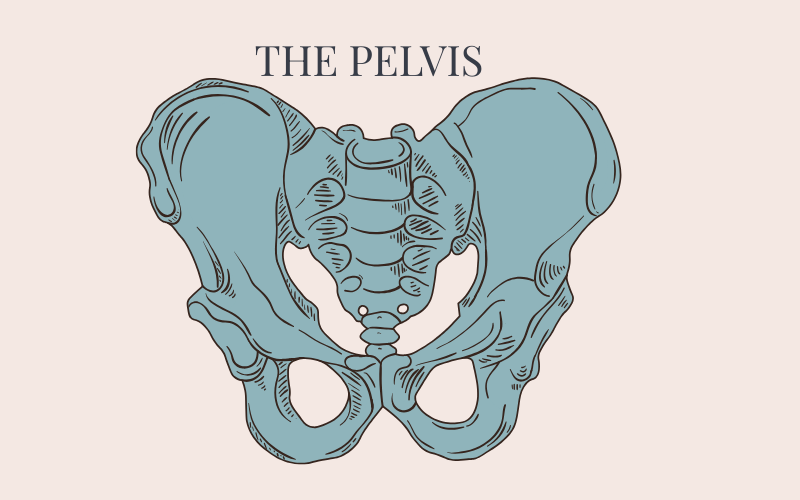
The Pelvis in Pregnancy and Labour: Structure, Function and Adaptation
The human pelvis plays a central role in pregnancy and labour. It forms the bony passage through which a baby is born, while also adapting throughout pregnancy to support the growing uterus. Understanding the anatomy and function of the pelvis can empower women and birthing people to approach labour with greater knowledge, confidence and trust in their bodies.

Pressure Points of Calm: Reflexology’s Role in Pregnancy
Pregnancy is a time of profound change — not only physically, but emotionally and mentally. Many expectant mothers explore complementary therapies to ease discomfort, reduce stress, and prepare for birth. Among these, reflexology has gained particular interest as a gentle, non-invasive option. But what exactly is reflexology, and what does science say about its role in pregnancy?

Pregnancy Brain: What Science Says About Forgetfulness and Focus in Motherhood
If you’ve ever walked into a room while pregnant and forgotten why you went there—or found yourself searching for your keys while holding them—it’s tempting to blame it on “pregnancy brain.” But is this foggy-headed feeling just a cultural myth, or is there real science behind it?

Circadian Rhythms and Labour Timing: Does the Body Know When to Birth?
Discover how circadian rhythms, light exposure, and birth hormones influence the natural timing of labour. Learn why many births begin during the night.
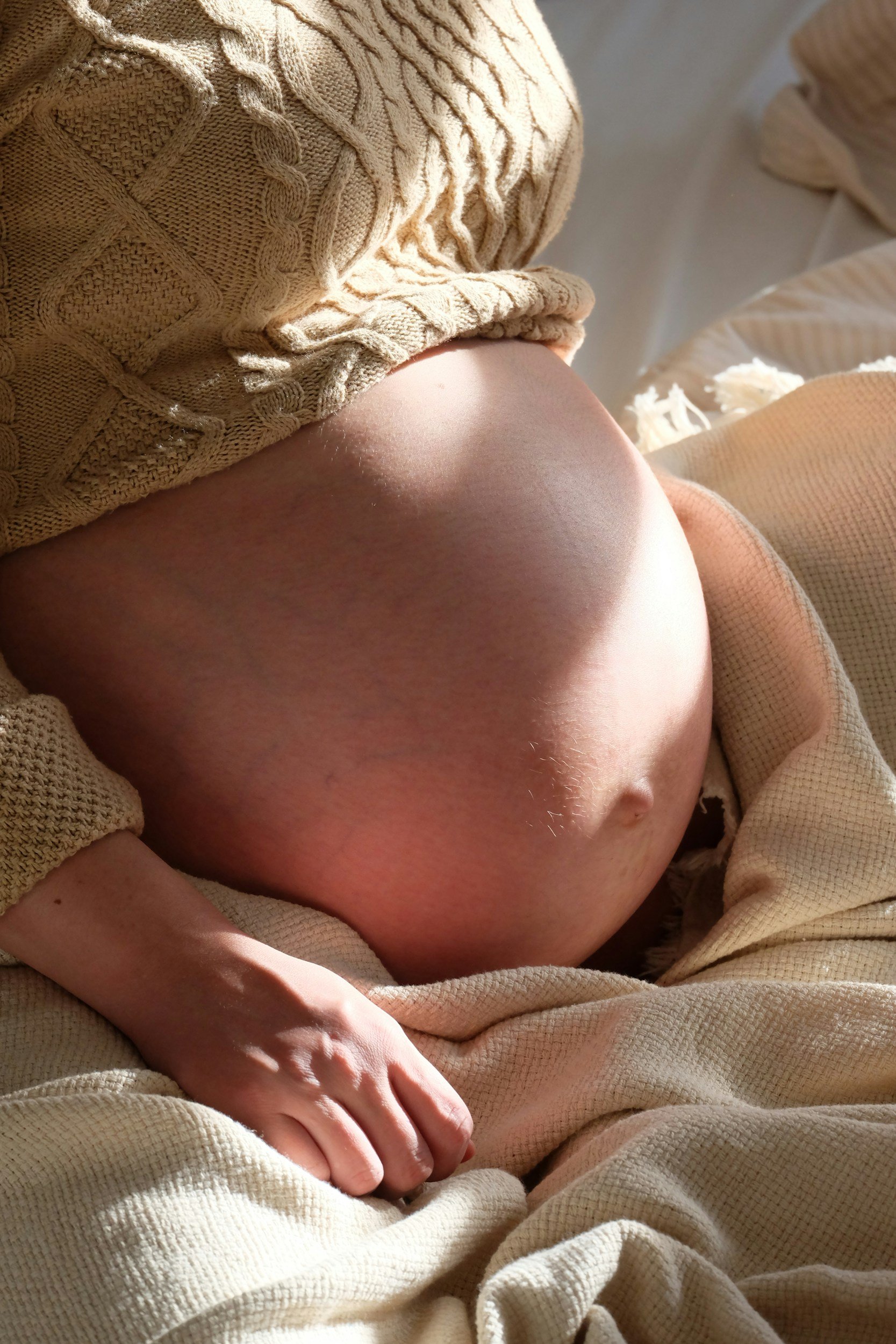
The Latent Phase of Labour: Why It’s Misunderstood and Often Overlooked
When people imagine labour, they often think of dramatic contractions, waters breaking, and a quick dash to hospital. But labour often begins in a much quieter, more subtle way—this is known as the latent phase.

Pregnancy and the Immune System: How the Body Protects Both Mum and Baby
Pregnancy is a time of extraordinary biological transformation. Beneath the visible changes in your body lies a powerful, intricate process that ensures both your health and your baby's development: the adaptive behaviour of your immune system.

Caffeine Alternatives for Mums-to-Be: Energise Safely
Pregnancy is a time of incredible transformation—physically, emotionally, and hormonally. And while a cup of tea or coffee might be your usual go-to for a morning boost, it’s worth revisiting your caffeine intake to make informed, feel-good choices that support both you and your growing baby.

Male Fertility Matters Too: Common Myths and Facts
When it comes to fertility, the conversation too often centres solely on women. But the reality? Male fertility accounts for nearly half of all conception challenges. At the Bubba and Me Club Clinic in Tunbridge Wells, we offer an integrated fertility nutrition service designed to support both partners—with personalised, practical care rooted in science and compassion.

Breastfeeding and the Vaginal vs. Abdominal Birth Connection: What the Science and Heart Say
Welcoming a baby into the world is one of life’s most profound moments. Whether born through the natural rhythm of vaginal birth or the surgical precision of a caesarean section, each birth story is unique, powerful, and deeply personal. But as research increasingly shows, the way a baby enters the world can influence early feeding experiences, microbiome development, and even immune resilience.
This isn’t about prescribing a “right” way—there is none. It’s about awareness, support, and understanding that all parents, regardless of how they give birth or feed their baby, can create a nurturing start for life.